
New Year, New Energy: Why 2026 Is About Goals That Feel Like Home, Not Resolutions That Feel Like Pressure
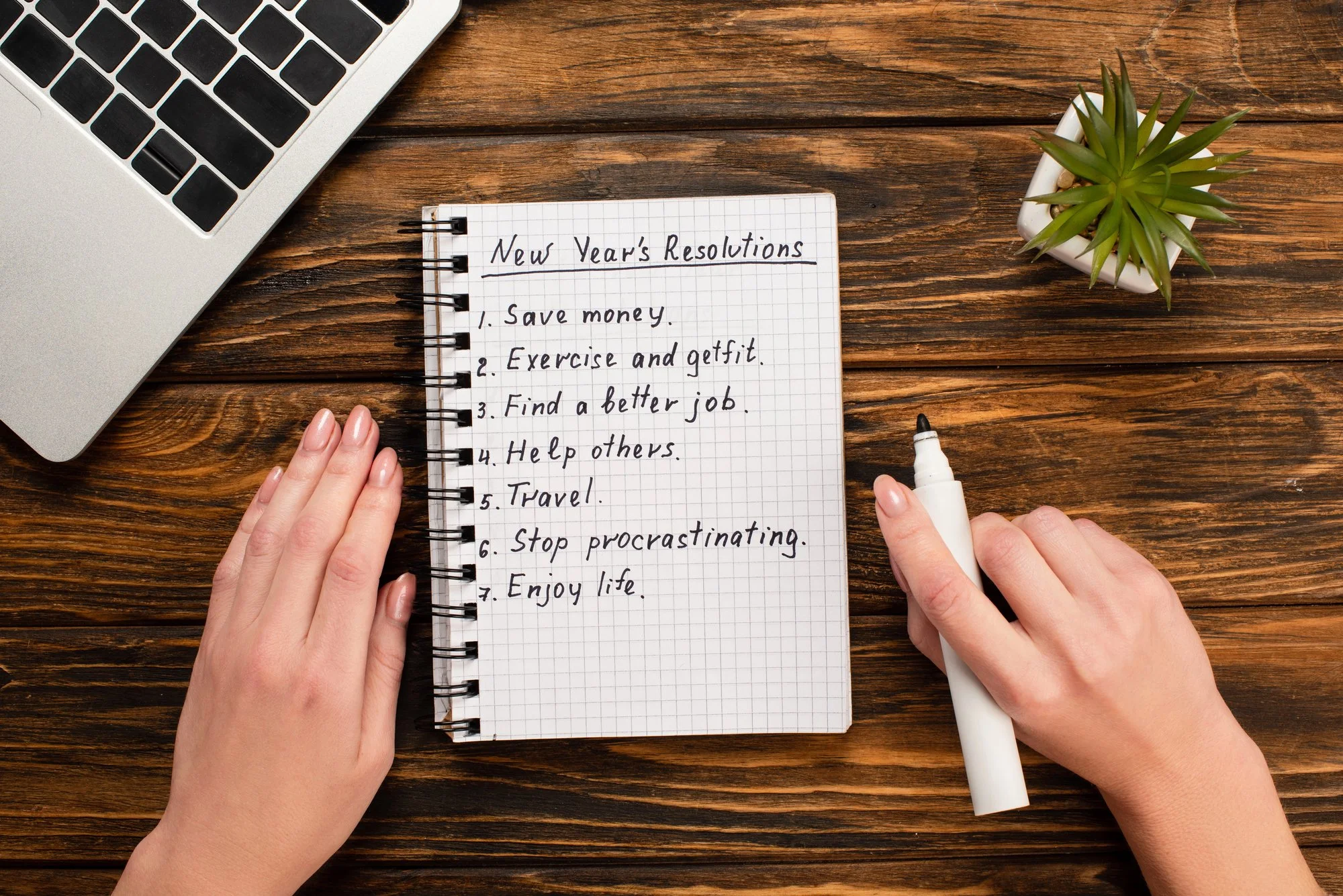
By the time the confetti has been swept up and the vision boards start collecting dust, many of us are left with the same quiet realization we’ve had year after year: the resolution didn’t stick. Not because we didn’t want it badly enough, but maybe because it never truly fit.
There’s something about January that asks us to reinvent ourselves overnight. New year, new you. New habits, new body, new mindset. But what if the real invitation for 2026 isn’t reinvention at all? What if it’s remembrance? A return to who you already are beneath the noise, the pressure, and the performative productivity.
“We’ve been conditioned to believe that ‘new year, new me’ just automatically happens like magic on January 1,” says Kelsey Hogan, Founder and CEO of Claimed & Co. “No work, no shifts, just a rebrand. Newsflash: that’s not how it happens.”
Instead of hoping and wishing, Kelsey encourages a subtle but powerful shift in language and identity. “The reason we aren’t creating lasting change is that we’re performing the age-old New Year’s resolution adages, instead of claiming who we are and who we are evolving into,” she says. “Instead of ‘I hope to,’ it becomes ‘This year I am.’ No doubts. No limiting beliefs.”
That distinction matters. One comes from scarcity and self-correction. The other comes from ownership.
From a more energetic lens, sound healer and holistic wellness specialist Kristen Billingsley, sees the same pattern play out year after year. “We often rely on external metrics and all-or-nothing pressure,” she explains. “That sparks stress and burnout. Grounding your goals in how you want to feel, calm, connected, capable, creates a completely different experience.”
Kristen encourages a feel-first approach, where intentions lead and outcomes follow. “Your values become the compass,” she says. “When motivation wanes, you return to alignment, not force.”
This idea of alignment shows up again and again, when you start listening beneath the surface. Not alignment as perfection, but alignment as rhythm.

Ginny Priem, a keynote speaker, TEDx presenter, and bestselling author, known for her work on emotional intelligence and sustainable productivity, sees it most clearly in how we start our mornings. “Most people overengineer their routines and then wonder why they feel overwhelmed before they’ve even cracked their laptop open,” she says. “A work-friendly routine works when it supports the life you actually want, rather than the one you think you’re supposed to have.”
Her UNSUBSCRIBE™ framework is built around removing what no longer serves instead of piling on more habits. “Productivity comes from intention, not intensity,” Ginny explains. “The goal isn’t to cram in as many morning routine tasks as possible. It’s creating a sustainable rhythm that leaves you feeling steady, instead of scattered.”
There’s a quiet spirituality in that steadiness. A sense of arriving into your day rather than being thrown into it.
Ginny doesn’t believe in a universal wake-up time or a one-size-fits-all formula. “It’s about waking up at a time that allows you to not be rushed, reactive, or behind, before the workday even begins,” she says. “Give yourself enough time to hydrate, have a moment with your thoughts, maybe move your body. How you start your morning sets the tone for everything that follows.”
Kelsey echoes that idea in her own way, especially when it comes to daily rituals. “This isn’t about adding more work or forcing an hour of meditation if that’s not your thing,” she says. “Decide what moves you journaling, breathwork, mantras, movement and commit. Write it down. Make it visible. I even set mine as my phone wallpaper.”
And then there’s the digital detox we all know we need, but rarely prioritize. “We’re done consuming meaningless crap that’s keeping us stuck,” Kelsey says plainly. “Shift how you scroll. Read books. Listen to podcasts that inspire the next level of you. We’re limited on time. Be discerning.”
Discernment is its own form of self-trust.

Kristen invites people to think of goals the way you’d train endurance not by sprinting, but by pacing yourself. “Treat goals as experiments,” she says. “Stay curious. Use a compassionate tempo. Daily pauses, weekly check-ins, restorative practices between high-stimulus tasks. This is how you build momentum without burnout.”
She suggests simple rituals that anchor the energy, instead of overwhelm it: a three-breath intentional pause in the morning, a brief sound reset, dimming the lights at night, stretching, lighting a candle, or placing your feet on the earth to release the day.
“These small moments tell your nervous system it’s safe to reset,” she explains. “Rest is not a reward. It’s part of progress.”
Ginny agrees. “People love to brag about being busy and pushing through exhaustion,” she says. “But tired brains make poor decisions. Rest is strategic. It protects the quality of your work, and the quality of your life.”
When motivation inevitably ebbs, none of these experts suggest guilt or starting over. “Own the shifts,” Kelsey says. “We can’t be fully locked in all the time. If you’re off one week, don’t let it derail the rest of your year. It’s how you move through the ups and downs that matters.”
Kristen frames it beautifully: “Move from ‘more’ to ‘more in alignment.’ Quality of engagement over quantity. Slow builds. Kind actions during overwhelm. This is how goals become nourishing, instead of draining.”
Maybe that’s the real energy of 2026. Less proving. Less pressure. More presence. More honesty. More listening to the quiet inner voice that already knows the way. Not a resolution to fix yourself, but a goal that feels like coming home.
