
Back to the Roots: Why the Future of Food May Depend on Regenerative Farming and Real Ingredients
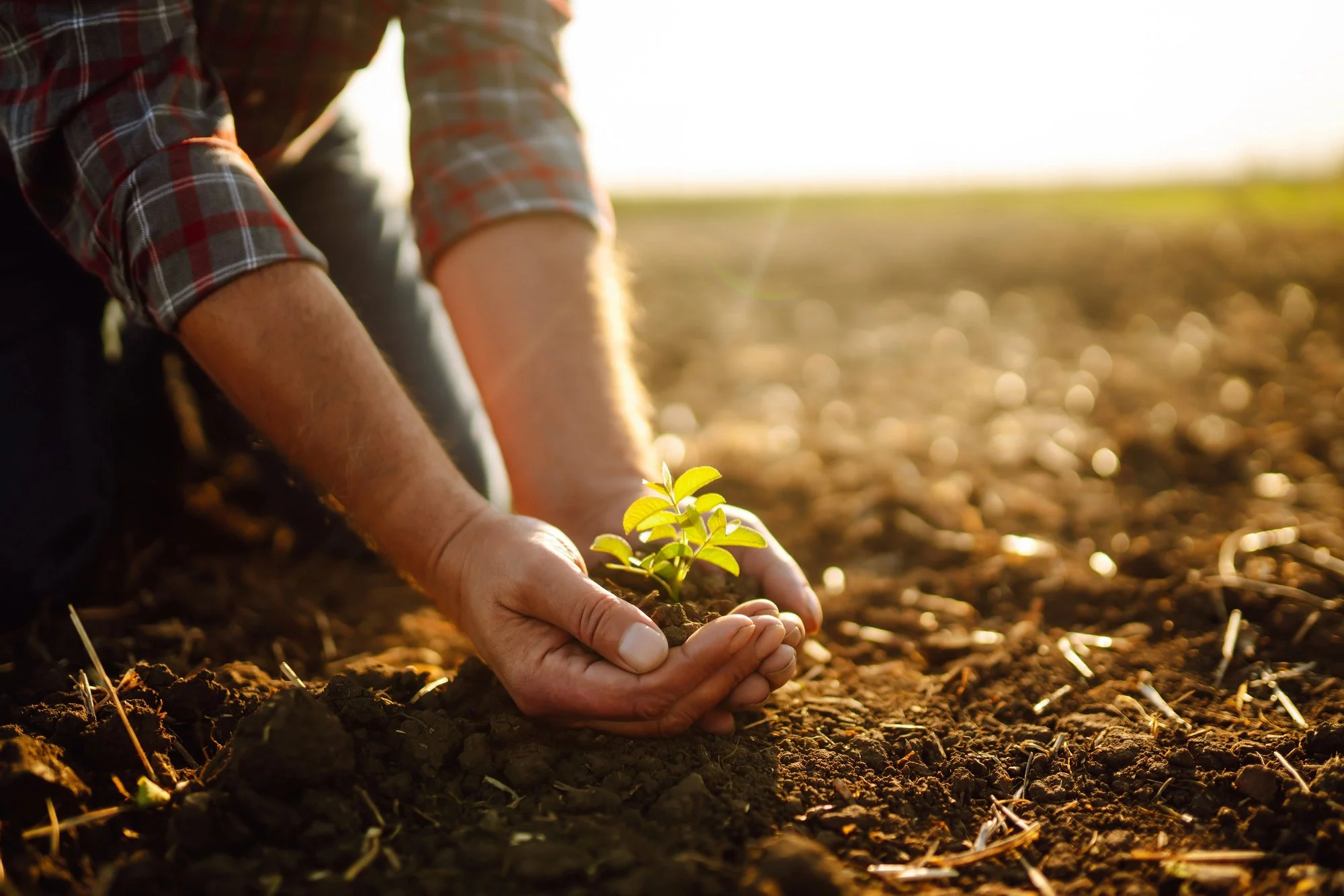
Somewhere along the way, food stopped feeling like…well…food.
Maybe it was the rise of ingredient labels that no one can pronounce. Maybe it was the explosion of ultra-processed “health” products, promising to optimize every corner of our lives, and cells in our bodies. Or maybe, it was when grocery store shelves started looking more like science experiments, than actual nourishment from the Earth. Either way…people are starting to notice.
We are living in a moment where technology is advancing faster than ever before. AI is everywhere. Labs are engineering alternatives to almost everything, and food companies are racing to create products that are faster, cheaper, shelf-stable, and endlessly scalable. And while innovation absolutely has its place, there is also a growing feeling that somewhere in the middle of all this advancement, we drifted too far away from the source.
Because food…at its root…is not just fuel for our bodies. It is the soil, the climate, and the farmers that make sure every seed is cared for. It is also culture, community, and health. And more consumers are beginning to crave that connection again, with the land, it’s people, and their bodies.
Across the wellness space and natural food industry, there is a quiet, but powerful, return happening. Not backwards, in some romanticized way, but back to what actually matters. Back to farming practices that replenish the land, instead of depleting it. Back to transparent sourcing and real ingredients. Back to supporting the people growing our food, instead of constantly trying to engineer around them.
Regenerative farming has become one of the biggest conversations quietly reshaping the future of food and wellness. At its core, it is about restoring soil health, protecting biodiversity, conserving water, and creating long-term sustainability for both the land and the people working it.
Simple in theory. Revolutionary in practice.

And people are definitely paying attention. Consumers are reading labels filled with ingredients they cannot pronounce, buying products marketed as “healthy” that still feel heavily processed, and wondering how we got so far away from the basics in the first place. People want to trust what they are putting into their bodies again. They want to know where their food comes from, how it was grown, and who is behind it all. That is why brands rooted in regenerative farming, transparent sourcing, and real ingredients are connecting with consumers on a deeper level right now. It is not just about sustainability anymore. It is about rebuilding trust in the food system, itself.
For example, Alter Eco has become one of the leaders in proving that large-scale food production and regenerative agriculture can coexist. Through organic farming partnerships, sustainability initiatives, and direct relationships with farmers, Alter Eco continues investing in systems that restore the land, while creating chocolate and granola products made with recognizable ingredients, and purpose-driven sourcing.
The same can be said for Big Tree Farms, a company that has spent almost 25 years working directly with farming communities in Bali to harvest Nira, the sap from the coconut blossom, while focusing on biodiversity, sustainable agriculture, and transparent supply chains. Big Tree Farms has built its model around the understanding that sustainability is not just about protecting the environment. It is about protecting the people connected to it, as well.
And sometimes the return to basics looks beautifully, uncomplicated.
At 15 Olives, they are helping reconnect consumers to where their food actually comes from by sourcing olive oils directly from its own farms and trusted growers. In an industry where olive oil transparency has become increasingly important, 15 Olives brings the focus back to authenticity, traceability, and relationships with the land itself.
The same grounding energy can be felt with All Things Elderberry, a brand rooted in herbal wellness traditions, and ingredients that feel closer to nature than a laboratory. All Things Elderberry reflects a growing desire among consumers to return to simpler, plant-based wellness, rooted in ingredients people have trusted for generations, instead of chasing every new synthetic trend that hits the market.
And then there’s The Naked Botanical, a company whose entire philosophy feels aligned with this larger movement toward intentional living and conscious sourcing. The Naked Botanical embraces the idea that wellness should feel connected to the Earth, not separated from it. Their approach speaks to a broader shift happening culturally, where consumers are becoming more thoughtful not just about what they consume, but how it is grown, sourced, and created.
Even hydration is evolving in a similar direction. For years, the beverage industry seemed focused on creating increasingly engineered drinks packed with additives, enhancers, powders, and ingredients designed to improve what water supposedly lacked. But a growing number of consumers are beginning to look for something simpler: water in its most natural state.
That is part of what makes companies like Splendor Water interesting within the larger wellness conversation. Sourced from a volcanic artesian aquifer in Ecuador, the water naturally contains trace amounts of colloidal gold and silver, along with naturally occurring electrolytes and minerals. Rather than manufacturing functionality in a lab, the focus is on preserving what nature has already created over centuries, as the water filters through volcanic rock.
Whether it is regenerative farming, botanical wellness, or naturally sourced hydration, the common thread is the same: consumers are increasingly drawn to products that begin with stewardship, instead of modification. Innovation is not always in creating something new. Sometimes it is in protecting something rare, before it disappears.
When looking at these companies side by side, a pattern begins to emerge. Whether it's chocolate, olive oil, elderberry, botanical wellness products, coconut nectar, or even water, consumers are increasingly gravitating toward brands that start with the source, instead of the laboratory. They are looking for transparency, sustainability, and a deeper connection to the people and places behind the products they bring into their homes.
Because, at the heart of it all, this conversation is about so much more than trends. It is about rebuilding respect for the systems that sustain us…and that includes the land, and its farmers.
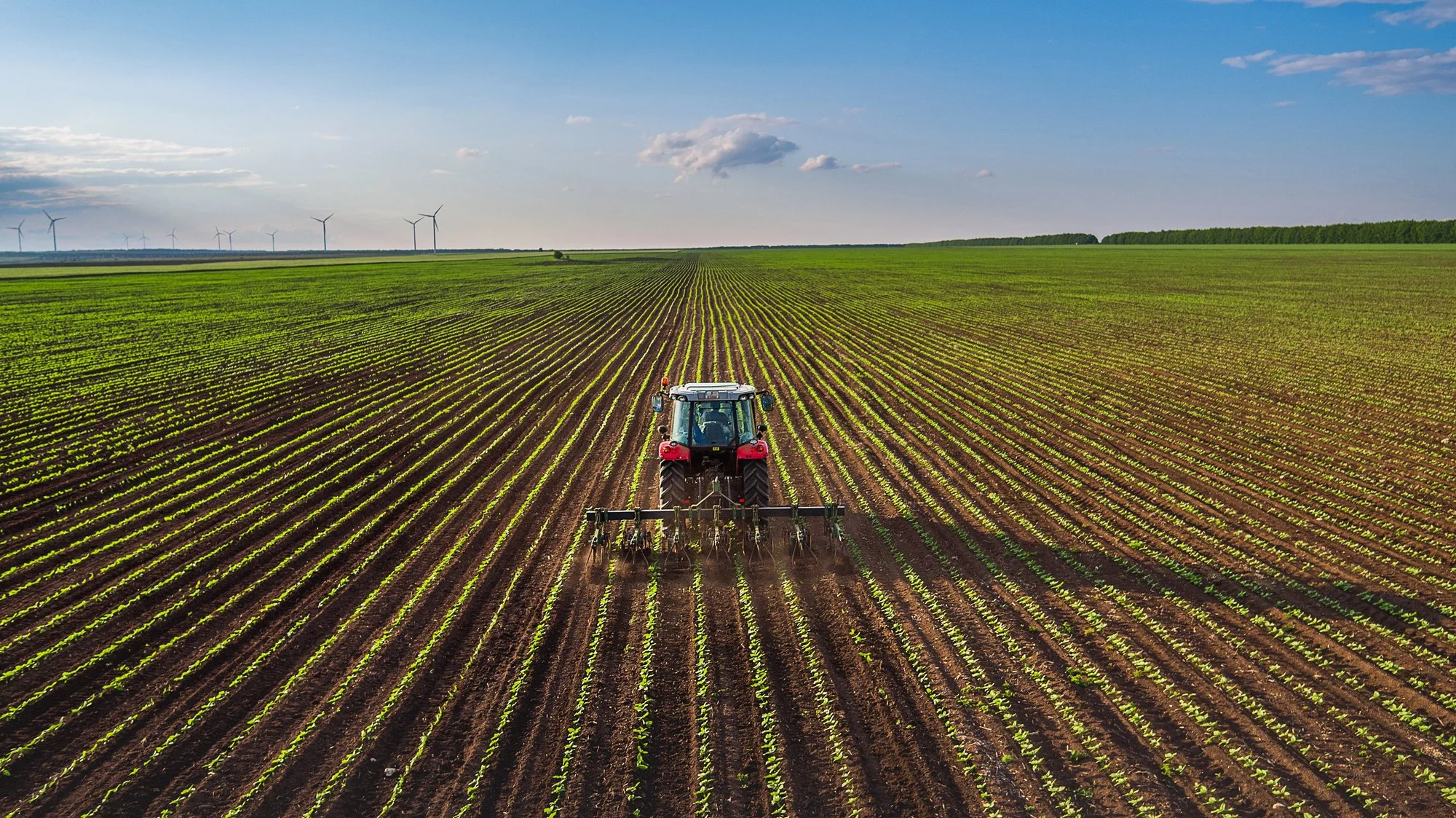
For generations, farmers were viewed as the backbone of communities and survival itself. Today, many small farms are fighting to survive against industrial agriculture, rising costs, climate challenges, and unstable supply chains. Yet, at the same time, a new generation is emerging with a very different mindset around food, farming, and sustainability. They are not rejecting technology. They are simply asking better questions about how it should be used.
What if innovation focused less on replacing nature, and more on restoring it? What if technology helped farmers protect crops, conserve water, monitor soil health, and strengthen ecosystems, instead of creating more processed alternatives, disconnected from the Earth entirely?
That is where this movement feels different. It is not about anti-science or disconnection, because wellness does not begin with a trendy product on a shelf. It begins in the soil. The health of our bodies is directly connected to what we fuel them with…and that includes the health of the land, the food systems we support, and the people growing what ends up on our tables. And maybe THAT is the deeper shift happening right now. People are beginning to realize that sustainability, wellness, farming, and community have never actually been separate conversations. They should have ALWAYS been connected….because they are.
What is interesting is that some of the most exciting innovation happening in food right now is not actually about creating new foods at all. It is about finding smarter ways to support the land, and the farmers growing what already nourishes us. From AI-powered soil monitoring and precision irrigation systems, that help conserve water, to drone technology that allows farmers to track crop health naturally, and reduce unnecessary chemical use, technology is beginning to play a very different role in agriculture. Instead of trying to replace nature, many farmers and regenerative brands are using innovation to better understand ecosystems, improve sustainability, strengthen supply chains, and protect the long-term health of the soil. That shift feels especially aligned with companies like Alter Eco, Big Tree Farms, 15 Olives, All Things Elderberry, The Naked Botanical and Splendor Water, that are helping prove the future of food and beverage does not have to move further away from nature to move forward.
As the world races toward faster and more engineered solutions, regenerative farming offers something grounding in the middle of the noise: the reminder that progress does not always mean reinventing what already works. Like the saying goes…if it ain’t broke…don’t fix it. Yes, we need to advance. And yes, we need to come up with new ideas to serve a growing population. However, sometimes the most forward-thinking thing we can do is protect the basics…the soil…the seeds…the plants…the farmers…the water…and the connection between people and the Earth.
Because maybe the future of food is not about becoming more artificial….maybe…just maybe… it is about becoming more rooted again.
